
Honoring Our Past, Enriching Our present
Since we’ve completed our renovation, you might notice a few changes in our worship at St. James. You aren’t alone! From the vibrant vestments worn by our clergy and altar team to the gentle ringing of the Sanctus bell during the Eucharistic Prayer, our worship experience has been enriched with traditions that connect us to the deep history of the wider Church.
While some of these additions might feel new to our congregation on James Island, they are actually rooted in centuries of Christian practice. Change in worship can raise good questions, so we wanted to share a little about what these symbols mean and why they help enrich our common life of prayer.
What Are We Wearing? (Chasubles, Dalmatics & Tunicles)
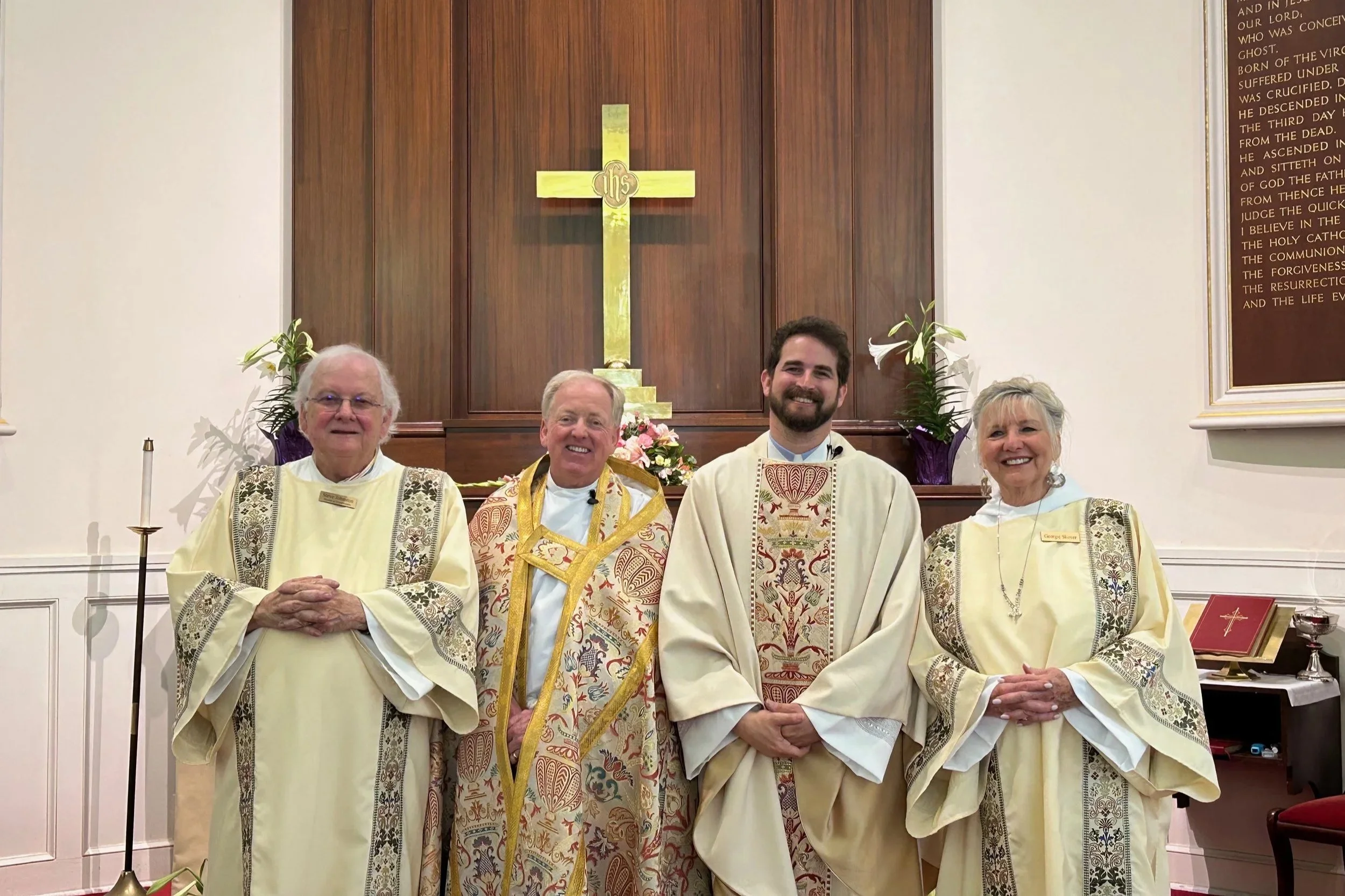
Every Sunday, our servers and clergy wear garments that trace their roots all the way back to the everyday clothing of the late Roman Empire. Over time, as the early Church grew, these everyday garments were set aside specifically for sacred use to keep the focus off individual personalities and on the mystery of God.
Here is a quick guide to what you’re seeing at the altar:
The Chasuble: Worn by the priest presiding over the Holy Eucharist, the chasuble is the sleeveless outer garment that covers the stole and alb. It symbolizes charity and the yoke of Christ.
The Dalmatic: Traditionally worn by a deacon, this tunic features wide sleeves and decorative bands (orphreys). It symbolizes joy and service.
The Tunicle: Historically worn by subdeacons or assistant ministers, the tunicle (tunicula in Latin, meaning "little tunic") is closely related to the dalmatic but often features narrower sleeves and simpler ornamentation.
The Cope: Originally worn by traveling clergy, the Cope is considered a non-Eucharistic vestment and is worn by the Celebrant when they process in on high holy days or by the rector when they aren’t the celebrant. If the celebrant wears the cope for the liturgy of the Word, then they change into the chasuble for the liturgy of the table.
In many Episcopal churches, wearing the combination of chasuble, dalmatic, cope and tunicle during a festive Holy Eucharist creates a visual expression of unity at Christ’s table. It’s sort of like dressing up for a party!
Serving with Order & Care: The Role of the Verger
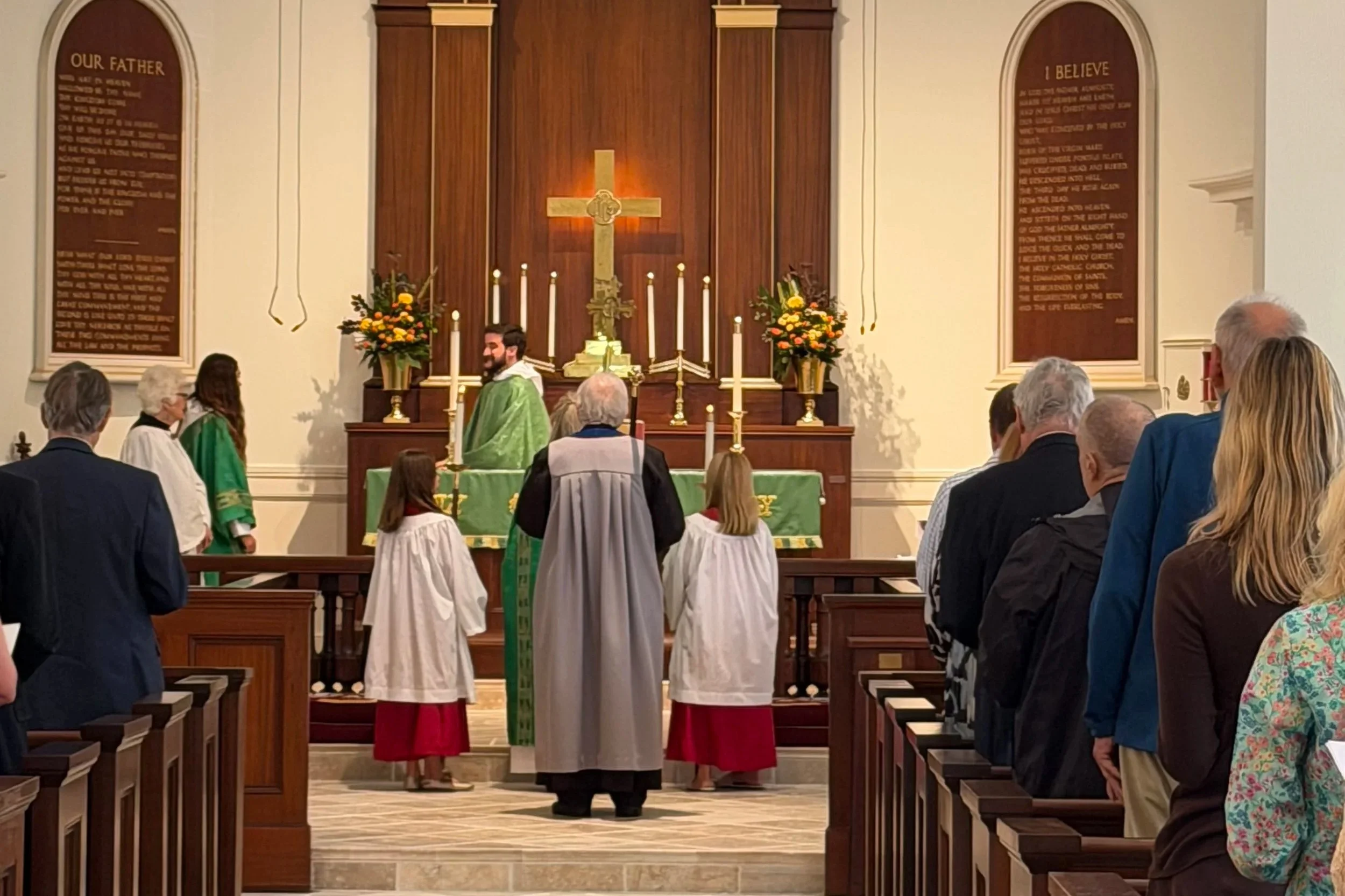
You may also have seen our good friend and senior warden Steve Johnston leading our processions carrying a ceremonial stick (known as a virge) and helping direct the altar party. That’s because Steve is now our verger!
Historically, vergers helped clear a path through crowded medieval cathedrals for the clergy and choir. Today, the verger plays a vital ceremonial and logistical role—ensuring our services run smoothly so that the clergy and congregation can focus entirely on prayer and worship.
Sound and Song: Sanctus Bell and Chanting
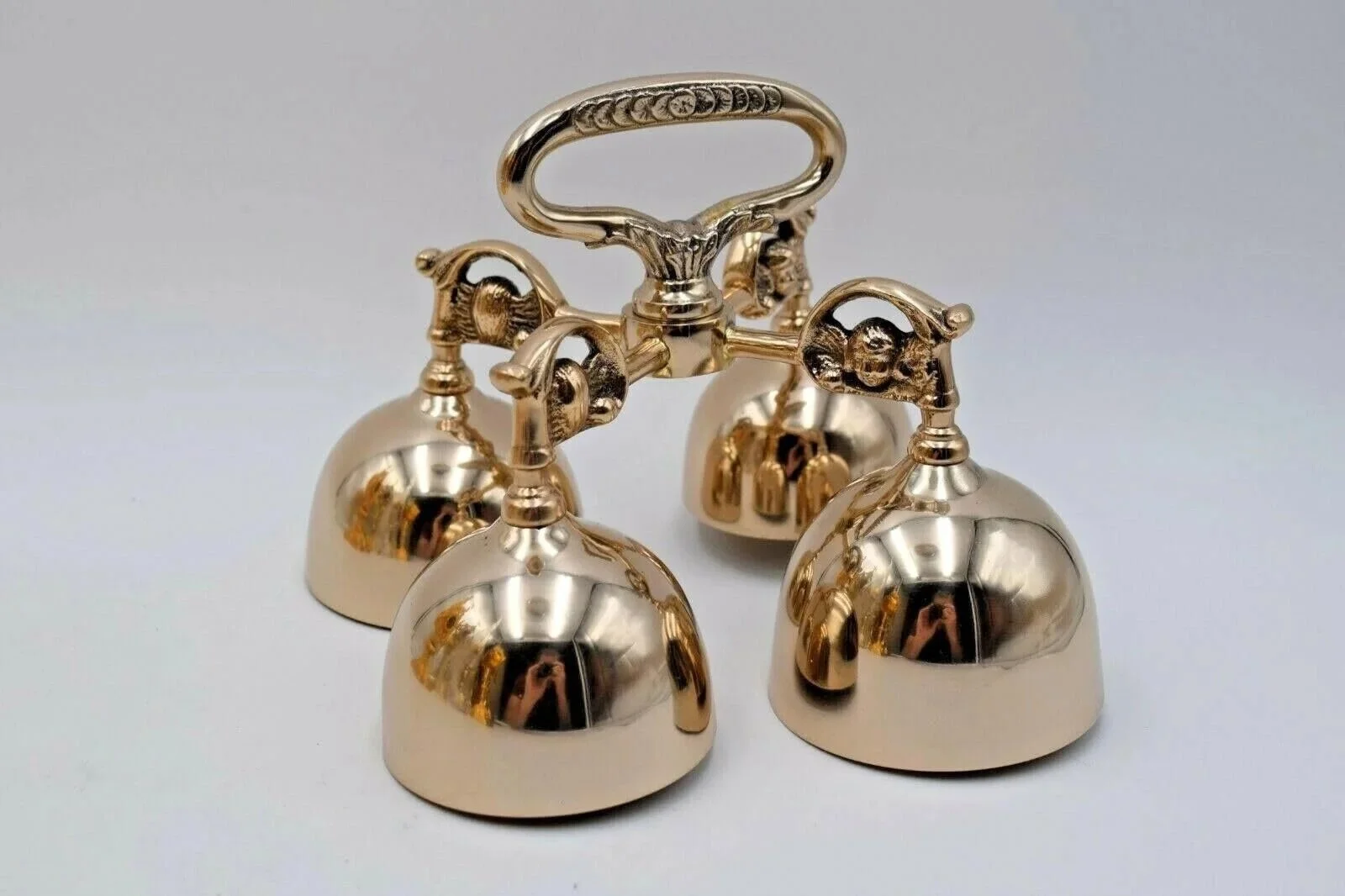
Worship engages all our senses—sight, sound, and movement. Two other thoughtful touches we have introduced include:
Sanctus Bells: These small handbells are rung during the Eucharistic Prayer (specifically during the Sanctus—"Holy, Holy, Holy"—and at the consecration of the bread and wine). Their crisp sound serves as a gentle "wake-up call" to our hearts, inviting us to pause and reflect on the mystery of Christ’s presence among us. Instead of bells, we currently use a singing bowl that provides a clear, rich, and simple tone. We’re in the process of ordering a handbell or “sanctus gong.”
Chanting on High Holy Days: While we don't chant every Sunday, incorporating occasional chanting on major feast days connects us with ancient Christian song, bringing an elevated sense of reverence to our most sacred celebrations. The wonderful thing about chanting is that anyone can do it! We don’t use complicated settings so everyone can participate.
Honoring Our Past, Enriching Our Present
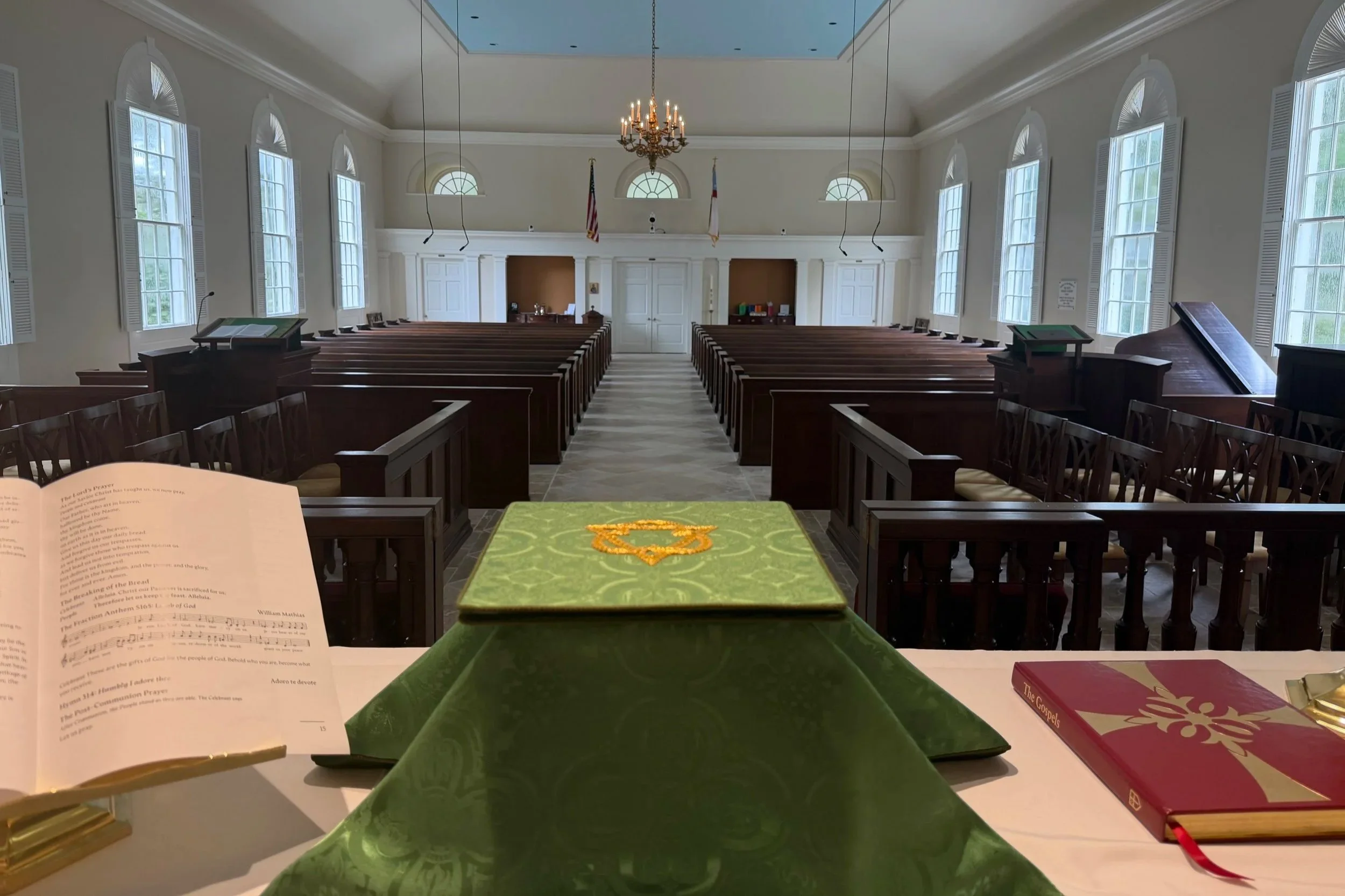
At St. James, we value our parish’s rich history while remaining open to traditions that deepen our spiritual lives today. You might notice we haven't brought in everything—for instance, we aren't using incense—but rather adopting touches that feel right for our community.
Whether an element of our liturgy is centuries old or newly introduced to James Island, the goal remains the exact same: to lift our hearts in praise, glorify God, and draw us closer together in community.
We’d Love to Hear From You!
Have questions about our vestments or liturgical customs? Feel free to reach out to the office or chat with us after the service!
